The Unyielding Spirit: New York City's Ongoing Battle Against Bomb Plots
New York City, a global beacon of culture, commerce, and democracy, has long stood as a symbol of resilience. Yet, its prominence also makes it a recurring target for those seeking to sow fear and chaos. From the harrowing attack on the World Trade Center in 1993 to the more recent foiled plot near Gracie Mansion in 2026, the history of New York bomb threats paints a stark picture of persistent danger, but also of unwavering vigilance and successful counterterrorism. This article delves into these critical moments, exploring the evolution of threats and the city's robust response.
The Genesis of Modern Terror: The 1993 World Trade Center Bombing
The morning of February 26, 1993, marked a grim turning point in American history. A massive urea nitrate-based explosive device, weighing approximately 1,200 pounds, detonated in a rented Ryder van parked in the underground garage of the North Tower of the World Trade Center. Masterminded by Ramzi Yousef, this audacious New York bomb attack claimed six lives, injured over 1,000 people, and left a crater several stories deep. Though it failed to topple the towers as intended, it was the first major jihadist assault on U.S. soil, signaling a terrifying new era of terrorism aimed at American symbols of power.
The attack was not an isolated incident but the manifestation of a broader ideological war, inspired by figures like Omar Abdel-Rahman, a blind Egyptian cleric who issued fatwas against the United States. This initial bombing served as a chilling precursor, demonstrating the intent and capability of radical networks to wage war on American soil, targeting iconic structures that represented global capitalism and freedom.
A City Under Siege: The Foiled 1993 Landmark Plot
In the immediate aftermath of the World Trade Center bombing, law enforcement agencies were scrambling to understand the scope of the threat. What they uncovered was even more alarming: a sophisticated, coordinated "day of terror" that intended to unleash a wave of destruction across New York City. This expansive New York bomb plot, orchestrated by Ramzi Yousef and his associates, aimed to maximize casualties and cripple the city's infrastructure.
The targets read like a list of NYC's most recognizable landmarks and vital arteries:
- The United Nations headquarters, a symbol of international diplomacy.
- The George Washington Bridge, a critical transportation link.
- The Lincoln and Holland Tunnels, essential underwater passages.
- Times Square, the vibrant heart of Manhattan.
- The FBI's field office at 26 Federal Plaza, a direct assault on law enforcement.
The plot intended to collapse key structures and paralyze urban transport, far exceeding the scale of the initial WTC attack. However, through diligent investigative work by a joint FBI-New York Police Department task force, connections among suspects were traced, informants provided crucial tips, and bomb-making materials were discovered. Arrests commenced in early June 1993, just weeks after the WTC bombing, effectively preventing this catastrophic scheme from being executed. The convictions that followed, including a life sentence for Yousef after his capture abroad in 1995, showcased the effectiveness of inter-agency intelligence in disrupting networked threats before detonation. To learn more about how this elaborate plot was unraveled, read our deep dive into Unraveling the 1993 Landmark Plot: A Day of Terror Thwarted.
From Iconic Towers to Mayoral Residence: The 2026 Gracie Mansion Attempt
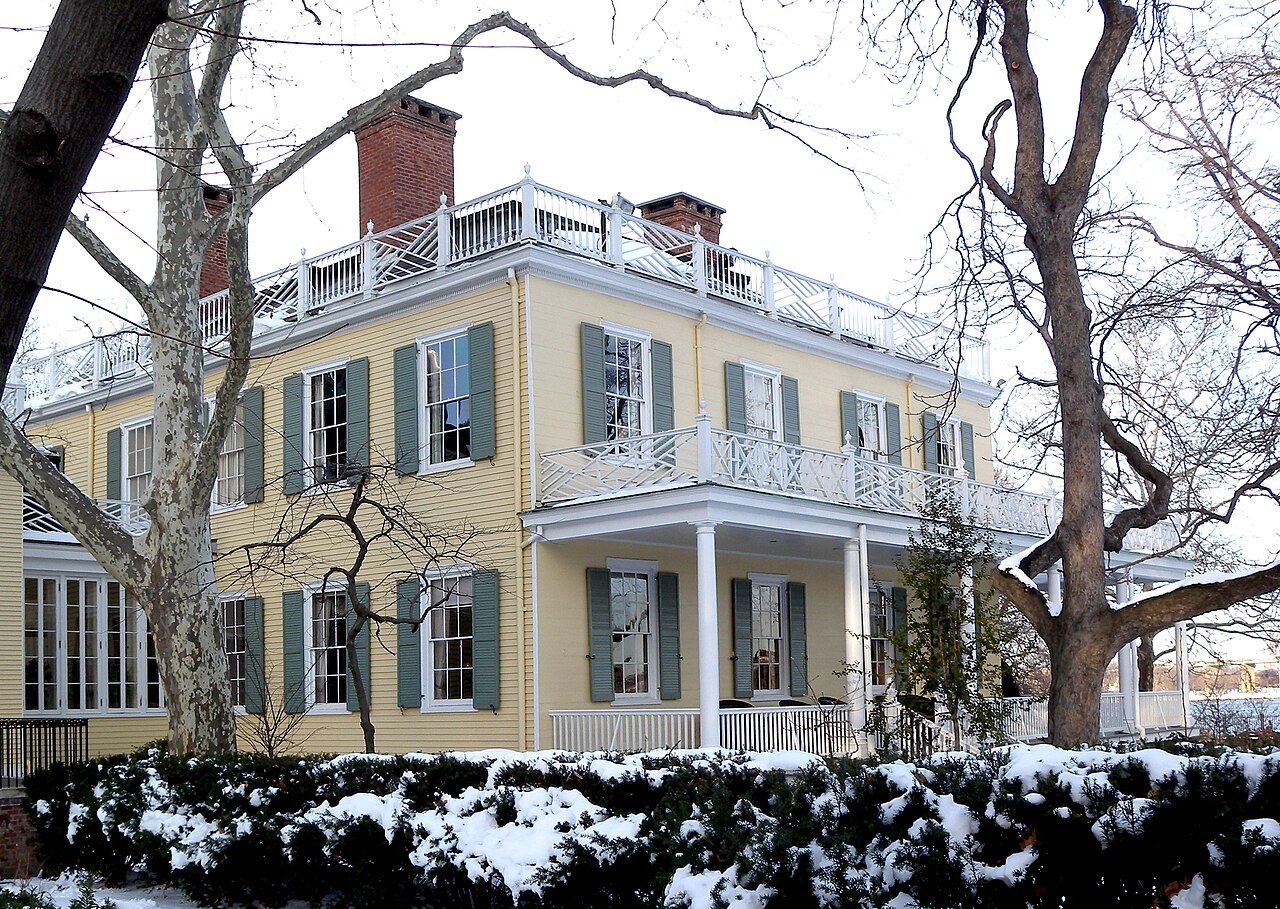
The threat of a New York bomb plot is not confined to the past; it remains an ever-present concern, albeit with evolving methods and targets. Fast forward to March 7, 2026, when New York City once again narrowly averted tragedy. This time, the target was Gracie Mansion, the mayor's official residence, during a protest against "Islamic Takeover of New York City."
Two young men from Pennsylvania, an 18-year-old of Turkish origin and a 19-year-old of Afghan origin, allegedly attempted to detonate two bombs amidst the crowd. Fortunately, both devices failed to detonate, and no one was injured. New York City Mayor Zohran Mamdani and Police Commissioner Jessica Tisch swiftly announced that the incident was being investigated as an "act of ISIS-inspired terrorism." This incident highlights a shift in certain types of threats, often involving smaller cells or individuals inspired by extremist ideologies, potentially targeting softer, more localized targets rather than solely massive infrastructure.
While the scale of the 2026 attempt was different from the ambitious 1993 plot, the intent to instill terror and cause casualties remained the same. It served as a stark reminder that vigilance cannot waver, and the battle against terrorism is a continuous endeavor, requiring constant adaptation and collaboration.
NYC's Enduring Vigilance: Counterterrorism in Action
The journey from the 1993 World Trade Center bombing to the foiled 2026 Gracie Mansion plot underscores New York City's unparalleled experience in confronting terrorism. These incidents have profoundly shaped the city's approach to security, leading to the development of robust, multi-layered counterterrorism strategies.
Key pillars of NYC's enduring vigilance include:
- Advanced Intelligence Sharing: The Joint Terrorism Task Force (JTTF), involving federal, state, and local agencies, remains at the forefront, fostering seamless intelligence exchange and collaborative investigations.
- Enhanced Surveillance and Technology: From extensive camera networks to sophisticated data analysis, technology plays a critical role in monitoring threats and identifying suspicious activities.
- Community Engagement: Building trust and open communication with diverse communities helps in gathering intelligence and fostering a collective sense of responsibility for safety.
- "See Something, Say Something": This powerful public awareness campaign empowers citizens to report suspicious activities, turning every New Yorker into an extra set of eyes and ears.
- Preparedness and Response: Regular drills, specialized units, and rapid response protocols ensure that the city is equipped to handle any eventuality, minimizing potential damage and casualties.
These strategies are not static; they evolve constantly to meet emerging threats, whether from organized groups or lone wolves. The city's resilience is not just about rebuilding after an attack, but about proactively preventing them and ensuring the safety of its millions of residents and visitors. For a deeper look into the city's comprehensive approach, explore NYC's Foiled Terror Plots: A History of Counterterrorism.
The lessons learned from each averted or executed New York bomb plot contribute to a growing body of knowledge that strengthens global counterterrorism efforts. It highlights the indispensable role of human intelligence, the power of inter-agency cooperation, and the crucial contribution of an informed and engaged public.
From the ashes of the World Trade Center to the quiet streets around Gracie Mansion, New York City stands as a testament to defiance against terrorism. The continuous battle against New York bomb plots is a somber reminder of the threats that persist, but also a powerful affirmation of the city's enduring spirit, its relentless pursuit of justice, and its unwavering commitment to protecting its people. Through constant vigilance, innovation, and community strength, New York City continues to lead the way in safeguarding its future against those who seek to undermine its freedom and resilience.