The Year New York City Stared Down Catastrophe: The 1993 Landmark Bomb Plot
In the annals of New York City's rich history, 1993 stands as a pivotal year, marking a terrifying escalation in domestic terrorism and a testament to the city's enduring resilience. While many recall the infamous World Trade Center bombing in February of that year, fewer are aware of the even more audacious plot that was mere weeks away from execution: a coordinated "day of terror" that sought to unleash a wave of destruction across the metropolis. This chilling scheme, aimed at detonating a series of New York bomb attacks at a dozen iconic landmarks, was meticulously planned to maximize casualties, create widespread panic, and cripple the nation's most vibrant city. Thanks to the extraordinary efforts of law enforcement, this catastrophic plan was thwarted, preventing an unimaginable tragedy and forever changing the landscape of counterterrorism in America.
The Lingering Shadow of the World Trade Center Bombing (February 1993)
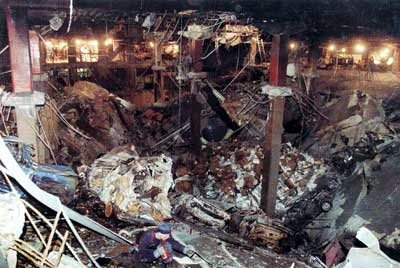
The groundwork for the subsequent landmark plot was laid with the initial attack on February 26, 1993. On that day, a urea nitrate-based explosive device, weighing a staggering 1,200 pounds, was detonated in a rented Ryder van parked in the underground garage of the World Trade Center's North Tower. Masterminded by Ramzi Yousef, this powerful New York bomb killed six innocent people and injured over a thousand others, leaving behind a crater several stories deep and causing extensive structural damage. The bomb's architects had harbored a far more devastating ambition: to topple the towers, sending one crashing into the other. Although they failed to achieve this ultimate goal, the attack served as a stark, brutal wake-up call, marking the first major jihadist assault on American soil and signaling a new, more aggressive era of terrorism aimed at symbols of U.S. power.
The investigation into the World Trade Center bombing quickly uncovered a network of radical Islamists, many of whom were connected to the blind Egyptian cleric Omar Abdel-Rahman. Abdel-Rahman, though not directly involved in the operational aspects of the bombing, provided the ideological fuel, issuing fatwas that declared war on the United States for its foreign policies. It was within this very network, under intense scrutiny by a newly formed Joint Terrorism Task Force (JTTF) comprising the FBI and NYPD, that the seeds of an even grander, more horrifying plot were discovered.
Unmasking the "Day of Terror": A City Under Threat
As investigators delved deeper into the World Trade Center bombing, they began to uncover alarming evidence of a follow-up conspiracy – a meticulously planned "day of terror" that dwarfed the previous attack in scope and ambition. Ramzi Yousef and his associates, seemingly undeterred by their initial failure to topple the Twin Towers, intended to unleash a coordinated series of New York bomb attacks at approximately a dozen prominent locations across the city. The targets were not chosen at random; they were symbols of American democracy, economic power, and vital infrastructure, carefully selected to maximize casualties, trigger widespread panic, and effectively paralyze the city.
The list of intended targets was chilling: the United Nations headquarters, a global symbol of diplomacy; the George Washington Bridge, a critical artery connecting New York and New Jersey; the Lincoln and Holland Tunnels, vital underwater passageways that handle hundreds of thousands of commuters daily; the bustling heart of Times Square, a beacon of urban life; and even the FBI's own field office at 26 Federal Plaza, a direct affront to law enforcement. The conspirators envisioned a simultaneous detonation, creating a city-wide catastrophe that would eclipse the scale of the World Trade Center bombing and inflict unimaginable death and chaos. Their objective was not merely destruction, but systemic disruption, aiming to collapse key structures and bring urban transport to a grinding halt.
The Unraveling: How Intelligence Thwarted Disaster
The successful thwarting of the landmark plot stands as a monumental achievement in early domestic counterterrorism. The Joint Terrorism Task Force, forged in the immediate aftermath of the World Trade Center bombing, was relentless in its pursuit of justice and intelligence. Their investigation, characterized by painstaking detective work, collaboration, and critical intelligence gathering, began to connect the dots between the World Trade Center suspects and a broader, more sinister conspiracy. Key breakthroughs included:
- Tracing Connections: Investigators meticulously traced the networks and financial transactions of individuals linked to the World Trade Center attack, uncovering new conspirators and their illicit activities.
- Informant Tips: Confidential informants played a crucial role, providing invaluable insights into the plot's planning stages, the identities of key players, and the intended targets.
- Seized Documents and Materials: Raids and searches yielded a treasure trove of evidence, including bomb-making materials, reconnaissance reports, and documents detailing the targets and operational plans. These findings confirmed the scale and imminence of the threat.
The timely arrests of the conspirators began in early June 1993, just weeks before the planned "day of terror" was to be unleashed. The meticulous work of the JTTF, combining traditional policing with sophisticated intelligence analysis, allowed law enforcement to intercept the plot before a single new New York bomb could be detonated. Ramzi Yousef himself evaded capture until 1995, when he was apprehended abroad, but his network within the U.S. was dismantled. Federal trials followed, leading to the indictment and conviction of several conspirators, who received life sentences for their roles in both the World Trade Center attack and the landmark plot. This success highlighted not only the early vulnerabilities in domestic counterterrorism but also the immense effectiveness of inter-agency intelligence and proactive disruption.
A Legacy of Vigilance: NYC's Enduring Battle Against Terror
The 1993 landmark plot, though foiled, fundamentally reshaped New York City's approach to security and counterterrorism. It underscored the harsh reality that a major metropolitan area could be a primary target for sophisticated, coordinated attacks. The lessons learned from this harrowing period – the critical importance of intelligence sharing between federal and local agencies, the development of robust task forces, and the need for constant vigilance – became the bedrock of NYC's enduring counterterrorism strategy.
Today, New York City remains a global leader in urban security, constantly adapting to evolving threats. While 1993 stands as a stark reminder of past dangers, the city has faced and thwarted numerous threats since, demonstrating continuous vigilance. For example, recent history shows us that the threat persists, as evidenced by the 2026 New York City bombing attempt near Gracie Mansion, though fortunately that plot also failed to detonate, injuring no one. These incidents reinforce the message that the battle against terror is ongoing, requiring a proactive stance and the full engagement of both law enforcement and the public. Citizens are encouraged to remain aware of their surroundings and to heed the call to "See Something, Say Something," understanding that community vigilance is a crucial layer of defense against those who seek to sow fear and destruction.
The legacy of the 1993 landmark plot is one of both peril averted and preparedness forged. It stands as a powerful testament to the unwavering commitment of law enforcement and the resilient spirit of New Yorkers to confront and overcome the gravest threats to their way of life.